
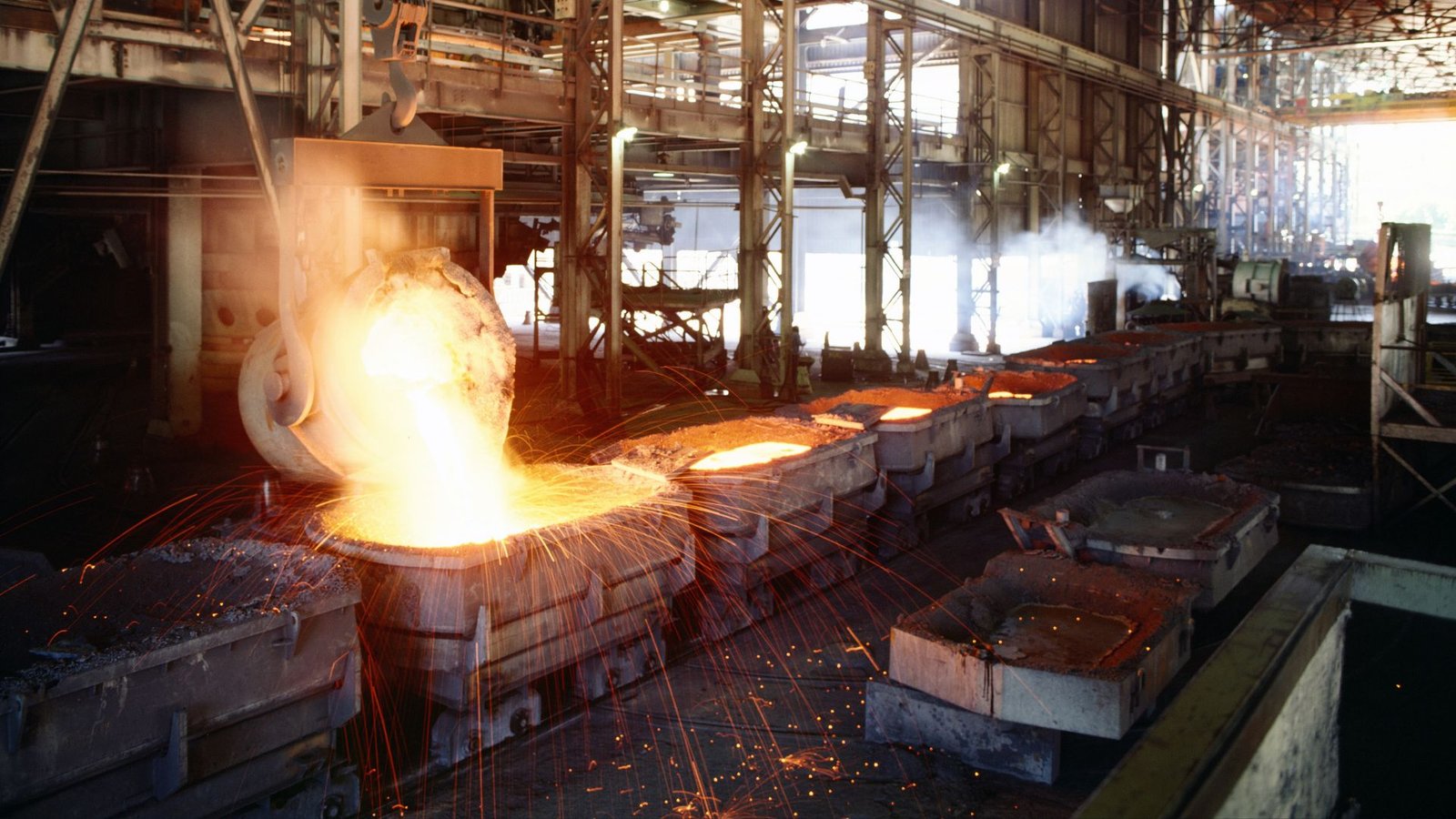
Indoor Air Quality Monitoring in Industrial Facilities
Aligning with the Factories Act and LEED Standards
Indoor Air Quality (IAQ) has emerged as a critical component of occupational health, sustainability, and regulatory compliance in industrial environments. With increasing awareness of worker well-being and environmental responsibility, organizations are now expected to monitor and maintain air quality not only to meet statutory requirements such as the Factories Act but also to align with global green building standards like LEED (Leadership in Energy and Environmental Design).
The issues that trigger strong emotional reactions often point to your core values. Whether it’s seeing animals mistreated, hearing stories of systemic racism, or watching the effects of climate change—emotions can be a compass. Write down a few topics that consistently catch your attention, and ask yourself why they matter to you. Write down a few topics that consistently catch your attention
Why Indoor Air Quality Matters in Factories ?
Factories often involve processes that emit dust, fumes, vapors, and chemical pollutants. Poor IAQ can lead to:
- Respiratory illnesses and long-term health issues
- Reduced worker productivity and increased absenteeism
- Higher risk of accidents due to fatigue or discomfort
- Legal liabilities and reputational damage
Maintaining optimal IAQ is therefore not just a compliance issue—it’s a strategic priority.

Indoor Air Quality Under the Factories Act
The Factories Act (India) mandates provisions to ensure a safe and healthy working environment. Key IAQ-related requirements include:
- Ventilation and Temperature Control
Factories must ensure adequate ventilation through natural or mechanical means to maintain acceptable air quality and temperature. - Control of Dust and Fumes
Effective measures such as local exhaust ventilation systems must be implemented to prevent inhalation of harmful substances. - Artificial Humidification
Where humidification is used, it must be controlled and monitored to prevent contamination. - Overcrowding Prevention
Adequate space per worker must be maintained to ensure proper air circulation. - Periodic Monitoring
Regular inspection and measurement of airborne contaminants are essential for compliance.
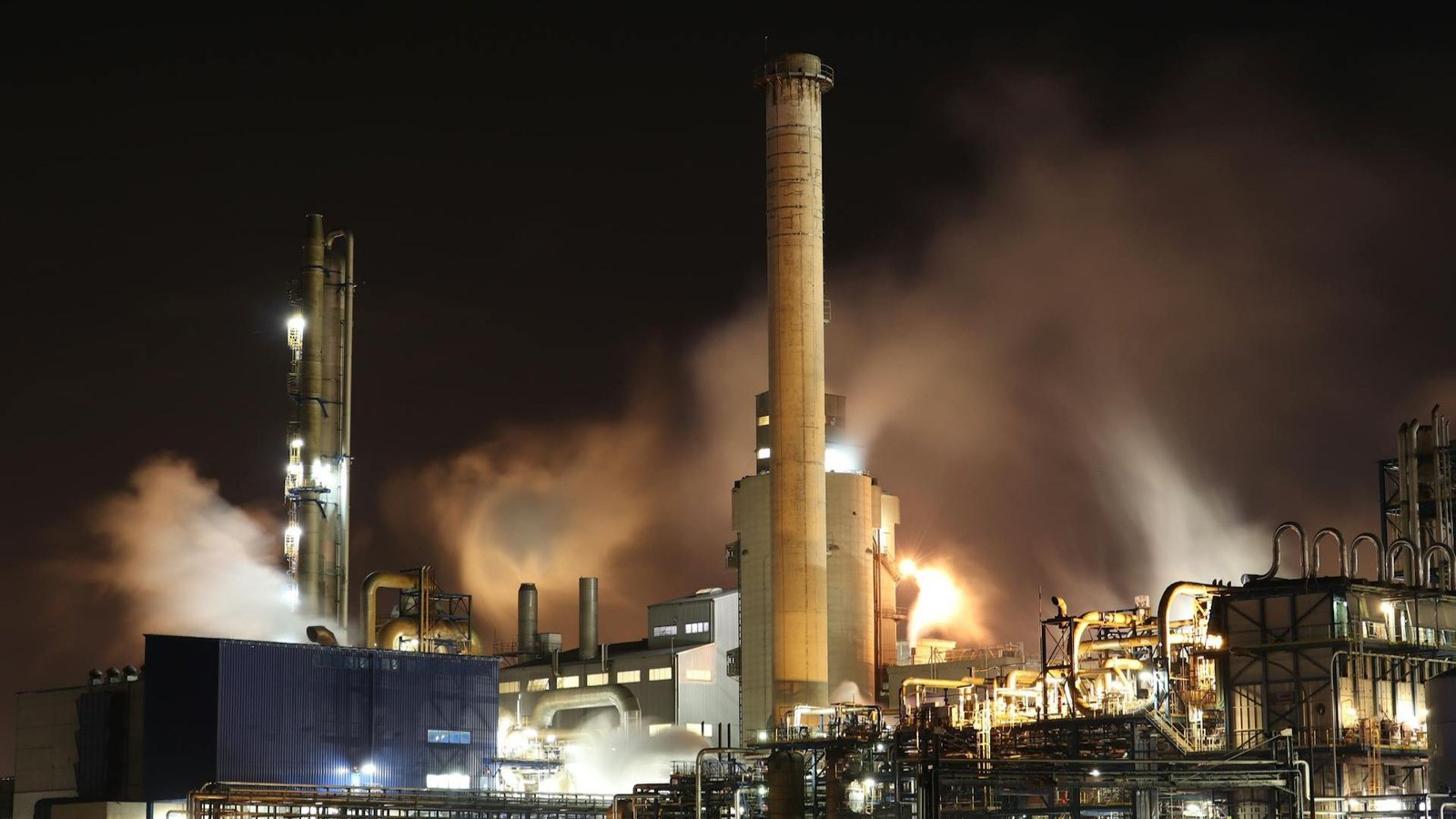
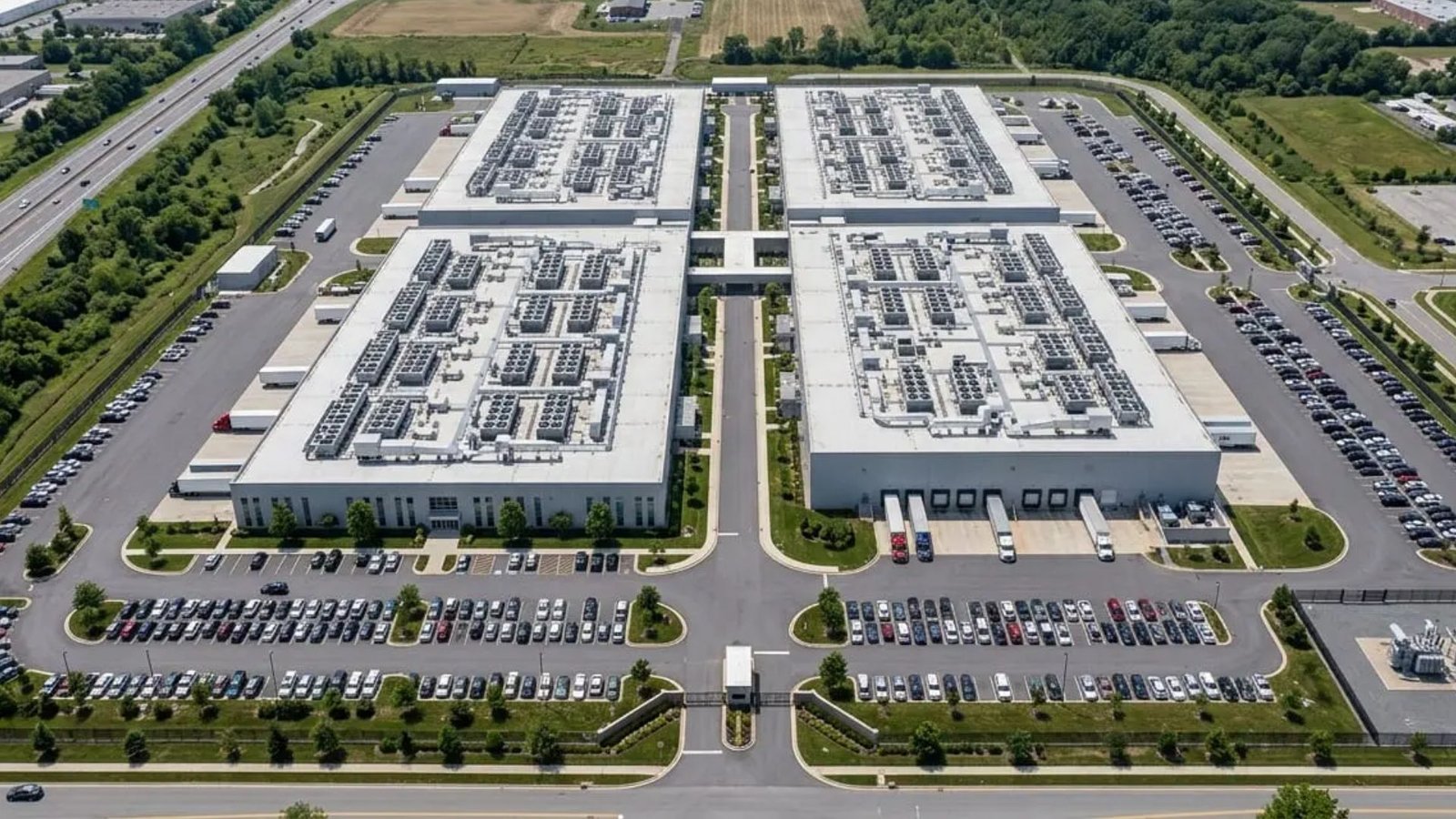
Indoor Air Quality (IAQ) in IT Facilities and Data Centers
An elevated shopping experience
Why IAQ Matters in IT & Data Centers ?
- Equipment reliability: Dust and airborne particles can accumulate on circuit boards, causing overheating or short circuits.
- Cooling efficiency: Contaminants can clog filters and airflow systems, reducing HVAC performance.
- Human health: Staff working in server rooms or data centers may be exposed to pollutants, leading to discomfort or illness.
- Operational continuity: IAQ-related failures can lead to costly downtime.
- Particulate Contamination
Fine particles such as dust (PM2.5, PM10) can infiltrate server racks and damage components. - Gaseous Pollutants
Corrosive gases like sulfur dioxide (SO₂), nitrogen oxides (NOx), and ozone (O₃) can degrade metal surfaces and connectors. - Humidity Imbalance
- Low humidity increases electrostatic discharge (ESD) risk
- High humidity can lead to condensation and corrosion
4. Temperature Variability
Hotspots and uneven airflow can reduce equipment lifespan.
LEED Standards and IAQ Monitoring
LEED certification emphasizes sustainability and occupant health. IAQ plays a central role in achieving credits under categories such as Indoor Environmental Quality (IEQ).
Key IAQ-Related LEED Requirements:
- Minimum Indoor Air Quality Performance
Compliance with ASHRAE standards for ventilation and air quality. - Enhanced IAQ Strategies
Use of advanced filtration, air cleaning technologies, and entryway systems to reduce pollutants. - Indoor Air Quality Assessment
Pre-occupancy air testing for contaminants like VOCs, particulate matter, and formaldehyde. - Regular Monitoring
Monitoring of IAQ to track parameters such as CO₂, PM2.5, PM10, temperature, and humidity. - Low-Emitting Materials
Use of materials that minimize indoor pollution.
- Minimum Indoor Air Quality Performance
Key Parameters to Monitor
An effective IAQ monitoring system in factories should track:
- Particulate Matter (PM2.5 & PM10)
- Carbon Dioxide (CO₂)
- Carbon Monoxide (CO)
- Volatile Organic Compounds (VOCs)
- Formaldehyde
- Temperature & Humidity
- NH3, H2S, Other Airborne Chemicals (industry-specific)
Benefits of IAQ Monitoring Services
- Visibility into air quality conditions
- Early detection of hazardous exposure
- Data-driven decision-making for ventilation improvements
- Enhanced worker health and morale
- Easier compliance with regulatory and certification requirements
Best Practices for IAQ monitoring
- Use calibrated, industrial-grade IAQ Detectors
- Integrate monitoring reports with Building Management Systems (BMS)
- Conduct regular monitoring as per industry specific compliances
- Train staff on IAQ awareness and response protocols
- Maintain proper documentation for audits and certifications
Conclusion
Indoor Air Quality monitoring is no longer optional—it is a fundamental requirement for modern industrial operations. By aligning with the Factories Act and striving toward LEED certification, organizations can create safer, healthier, and more sustainable workplaces. Investing in IAQ monitoring services not only ensures compliance but also drives long-term operational and environmental benefits.
Creating cleaner air inside factories is not just about meeting standards—it’s about valuing the people who power your operations.